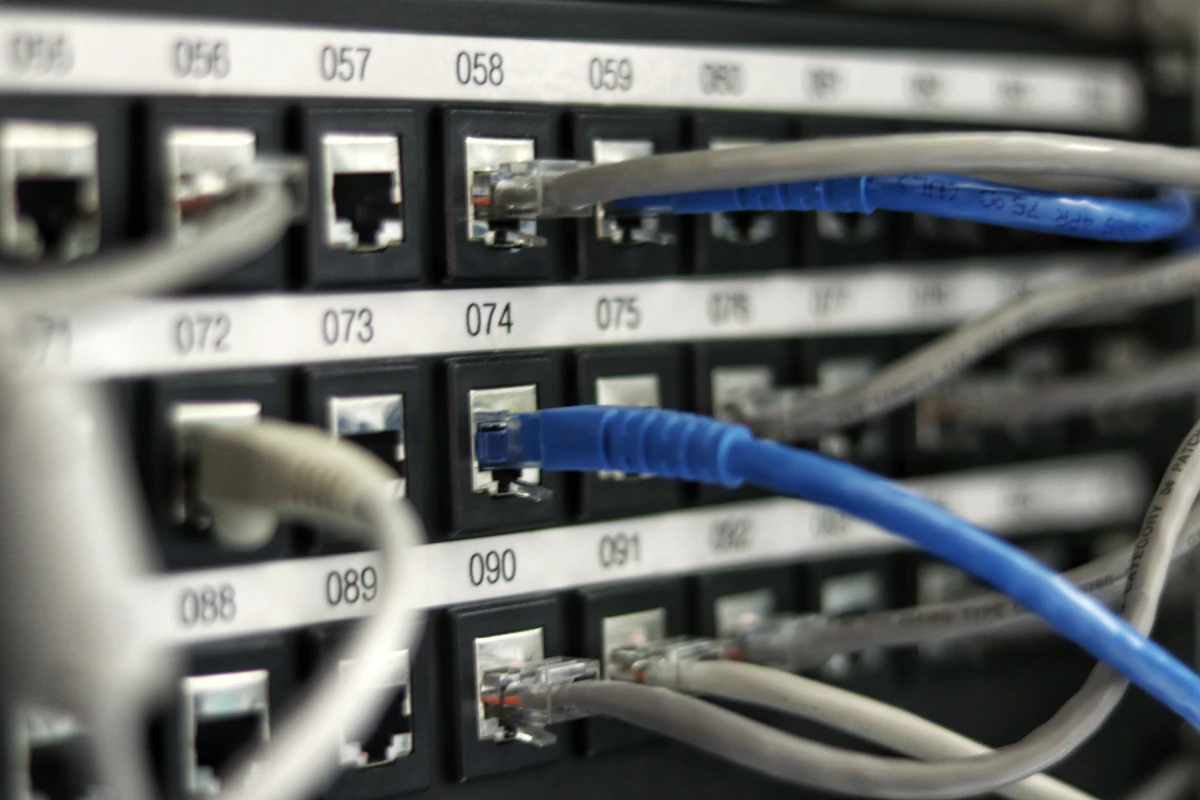
Your home wireless router is the primary digital gateway guarding every connected phone, computer, smart television, and IoT appliance in your household against external cyberattacks. Yet while users diligently update their smartphone apps and computer operating systems, wireless routers are frequently neglected for years after initial installation.
Outdated router firmware contains documented security vulnerabilities that botnets (such as Mirai and its variants) actively exploit to hijack devices into automated DDoS swarms, tamper with DNS routing, and inject malicious advertisements into your browsing sessions. Updating your router's firmware is one of the most critical home cybersecurity practices you can perform.
Why Router Firmware Updates Are Essential
Firmware is the embedded operating system running on your router's flash memory microchip:
- Zero-Day Security Vulnerability Patches: Vendors frequently discover critical remote code execution (RCE) flaws in router web administration interfaces and UPnP (Universal Plug and Play) modules. Firmware updates patch these exploits.
- Wi-Fi Stability & Driver Improvements: Wireless chip manufacturers continuously refine radio beamforming algorithms, reducing connection drops on newer Wi-Fi 6, 6E, and Wi-Fi 7 devices.
- Protection Against DNS Poisoning: Compromised routers can have their primary DNS servers redirected to malicious attacker servers, redirecting legitimate banking or shopping visits to fraudulent phishing clones.
Step 1: Find Your Router's Default Gateway IP Address
To access your router's administration portal, you need its local private IP address:
On Windows 11:
- Press Windows Key + R, type cmd, and hit Enter.
- Type
ipconfigand press Enter. - Look for your active Wi-Fi or Ethernet adapter and find the Default Gateway row (typically
192.168.1.1or192.168.0.1).
On Mac (macOS):
- Open System Settings > Wi-Fi.
- Click Details next to your connected network.
- Select TCP/IP and locate the Router IP address.
On iPhone & Android:
- On iPhone: Open Settings > Wi-Fi, tap the (i) icon next to your network, and check Router.
- On Android: Open Settings > Network & internet > Internet, tap the gear icon next to your Wi-Fi, and scroll to Gateway.
Step 2: Log Into the Router Web Admin Console
- Open any web browser (Chrome, Edge, Safari, Firefox).
- Enter the gateway IP address into the URL bar (e.g.,
http://192.168.1.1) and press Enter. - Enter your administrative credentials:
- If you have never changed the password, check the physical label sticker on the underside of your router for the default admin login and password.
- If your router is managed through an official mobile app (such as ASUS Router, Netgear Nighthawk, TP-Link Tether, or Google Home), open the app on your phone.
Step 3: Check and Install the Firmware Update
Most modern routers offer two update methods: automated online updates or manual firmware file uploads:
Method A: Automated Cloud / Online Update (Recommended)
- In the admin dashboard, navigate to Administration, System Tools, or Advanced > Firmware Update.
- Click the button labeled Check for Updates or Online Upgrade.
- If a new firmware release is detected, review the release notes.
- Click Update or Upgrade Now.
- The router will download the package, write it to flash memory, and reboot. This takes 3 to 5 minutes.
Method B: Manual Firmware Flashing (For Older or Specialty Routers)
- Look at the exact model number and hardware revision (e.g., TP-Link Archer AX55 V1.0 or Netgear R7000) printed on your router's bottom label.
- Visit the official manufacturer support website (never download router firmware from third-party forums or file-sharing sites).
- Download the verified firmware archive (usually a
.binor.imgfile) to your computer. - In your router's Firmware page, click Browse or Choose File, select the
.binfile, and click Upgrade.

Cardinal Safety Rules When Flashing Router Firmware
- Never Power Down During an Update: Unplugging your router while it writes to flash memory will "brick" the device, rendering the bootloader inoperable.
- Prefer a Wired Ethernet Cable: If performing a manual file upload on an older router, connect your PC to the router via a physical Ethernet cable to avoid Wi-Fi connection drops during file transfer.
- Enable Automatic Updates: If your router features an "Automatic Updates" toggle, switch it on and schedule updates for 3:00 AM when network usage is idle.
Post-Update Security Hardening Checklist
After your router reboots with fresh firmware:
- Change the default router administration password from "admin" or "password" to a strong 16-character alphanumeric passphrase.
- Disable Remote Management / WAN Access so attackers on the external internet cannot load your login screen.
- Turn off WPS (Wi-Fi Protected Setup) PIN authentication, which has known brute-force vulnerabilities.
