Google Services

How to Export and Download All Your Data Using Google Takeout

Create a complete offline backup of your Gmail MBOX archives, Google Photos in original quality, YouTube videos, and Chrome bookmarks using Google Takeout.

Quick Summary & Key Takeaways

  • Objective: Create a complete offline backup of your Gmail MBOX archives, Google Photos in original quality, YouTube videos, and Chrome bookmarks using Google Takeout.
  • Estimated Time: Approximately 6 minutes following our step-by-step instructions.
  • Safety Recommendation: Ensure your device battery is above 30% and preserve any important files or passwords before modifying system settings.
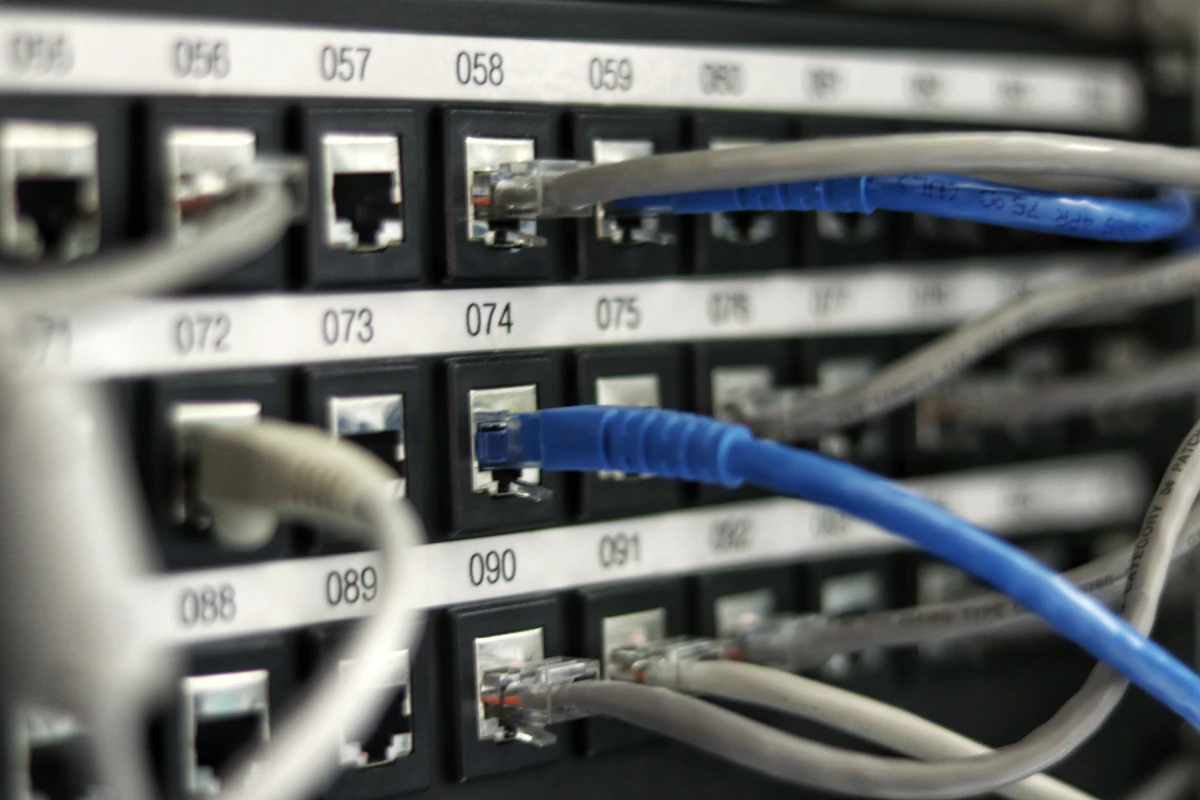
Cloud storage server racks and digital data migration concept
Archiving photos, email databases, and cloud files via Google Takeout.

Google holds years of our digital lives—from thousands of family photos and business emails to YouTube uploads and calendar appointments. If you want to create an offline backup on an external hard drive or prepare to migrate to another cloud service, Google Takeout is the official tool that compiles all your Google data into downloadable ZIP or TGZ archives.

Here is the complete guide to exporting your Google account data safely and efficiently.


Step 1: Access Google Takeout and Select Products

  1. Visit takeout.google.com in any web browser and log into your Google Account.
  2. By default, all 50+ Google products are checked.
  3. Click Deselect all at the top of the list to avoid downloading unnecessary system logs.
  4. Check only the essential services you want to export:
  • Google Photos: Includes original EXIF metadata and album folders.
  • Mail (Gmail): Downloads all emails in standard .mbox format.
  • Drive: Exports Docs as Word/PDF and Sheets as Excel files.
  • Chrome: Exports bookmarks, history, and reading lists.
  • YouTube and YouTube Music: Exports uploaded video masters, playlists, and watch histories.
Selecting Services in Google Takeout

Step 2: Configure Delivery Method and Archive File Size

  1. Scroll to the bottom and click Next step.
  2. Delivery method: Choose Send download link via email (or add directly to Dropbox, OneDrive, or Box).
  3. Frequency:
  • Export once: Creates a single snapshot archive.
  • Export every 2 months for 1 year: Creates 6 scheduled automated backups.
  1. File type and size:
  • File type: Select .zip (compatible with all Windows, Mac, and Linux systems).
  • File size: Select 10 GB or 50 GB (default is 2GB). Setting larger sizes prevents Google from splitting your archive into dozens of tiny fragments.
Google Takeout Archive Settings

Step 3: Create Export and Download Files

  1. Click Create export.
  2. Google Takeout begins assembling your files. This process takes anywhere from a few minutes for small mailboxes to several hours or days for multi-terabyte photo libraries.
  3. When finished, you will receive an email titled 'Your Google data is ready to download'.
  4. Open the email, click Download your files, and authenticate your password.
  5. Extract the ZIP archives onto an external SSD or local PC drive.

Frequently Asked Questions

Does Google Takeout delete my data from Google servers?

No. Google Takeout merely creates a copy of your files. All your emails, photos, and documents remain untouched on Google servers.

How can I open the downloaded Gmail MBOX file?

You can open MBOX email archives using free email clients like Mozilla Thunderbird or import them into Microsoft Outlook using an MBOX converter.

Will deleting an email with attachments in Gmail immediately free up Google Drive space?

Yes, but only after you navigate to Gmail Trash and click 'Empty Trash now'. Items left in Gmail Trash continue counting against your 15GB unified quota for 30 days until automated permanent deletion occurs.

Can Google Workspace administrators read my private emails or files?

Yes. In an organization or corporate Google Workspace account, domain administrators possess comprehensive Vault auditing tools and access privileges to export user emails, Drive documents, and revision logs.

What is the difference between a Google Passkey and a standard password?

A Passkey uses public-key cryptography where your device holds a private cryptographic key protected by biometrics (fingerprint or Face ID), while Google stores only the public key. Passkeys are completely immune to phishing websites because browsers verify domain signatures before unlocking credentials.

Marcus Brody

About the Author: Marcus Brody

Windows & Hardware Analyst

Marcus has built, benchmarked, and repaired Windows PCs and wireless networks for 15 years. He writes clear solutions for desktop OS headaches and performance bottlenecks.